

What is the transit time for sea freight shipping to Asia?
When it comes to shipping goods to Asia via sea freight, one of the most common questions we receive as a Sea Freight Shipping supplier is, "What is the transit time?" Transit time, the duration it takes for cargo to travel from the port of origin to the port of destination, is a critical factor for businesses planning their supply chains. In this blog, we'll explore the various elements that influence sea freight transit times to Asia and provide you with a better understanding of what to expect.
Key Factors Affecting Sea Freight Transit Time
Distance
The geographical distance between the origin and destination ports is a fundamental determinant of transit time. Asia is a vast continent, and shipping from different parts of the world will naturally result in different travel durations. For instance, shipping from the West Coast of the United States to ports in East Asia, such as Shanghai or Tokyo, is significantly quicker than shipping from the East Coast of the United States or Europe.
Shipping Route
The chosen shipping route can also have a major impact on transit time. Some routes are more direct, while others may involve detours due to factors like weather conditions, geopolitical issues, or the need to call at intermediate ports for additional cargo. For example, ships traveling from the Middle East to Southeast Asia might take a route through the Strait of Malacca, which is a busy and strategic waterway. Any disruptions in this area can lead to delays.
Vessel Speed
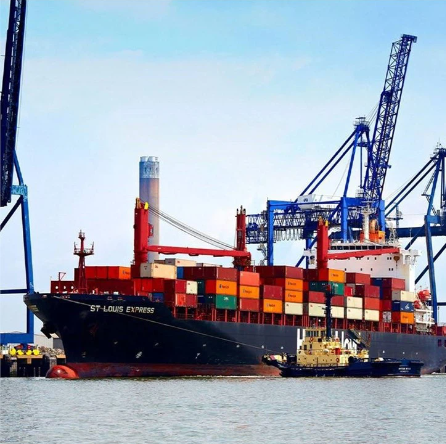
The speed of the vessel plays a crucial role in determining how quickly goods reach their destination. Different types of ships have varying speeds. Container ships, which are commonly used for sea freight, typically have an average speed ranging from 18 to 25 knots (nautical miles per hour). However, factors such as the ship's age, design, and the amount of cargo it is carrying can affect its actual speed.

Port Congestion
Port congestion is a significant issue that can cause substantial delays in sea freight shipping. Major Asian ports, such as Singapore, Hong Kong, and Busan, are among the busiest in the world. When a port is congested, ships may have to wait outside the port for a berth to become available. This waiting time can range from a few hours to several days, depending on the severity of the congestion.
Customs Clearance
Customs clearance procedures at both the origin and destination ports can also add to the overall transit time. Different countries have different customs regulations and inspection processes. Delays can occur if there are issues with the documentation, such as incorrect or incomplete information, or if the cargo is subject to additional inspections.
Transit Time Estimates for Different Regions
From the United States to Asia
- West Coast to East Asia: Shipping from ports like Los Angeles or Long Beach to major East Asian ports such as Shanghai, Busan, or Tokyo usually takes around 10 - 16 days. This relatively short transit time is due to the relatively short distance and well - established shipping routes.
- East Coast to Asia: For shipments from the East Coast of the United States, such as New York or Miami, to Asia, the transit time can be significantly longer. It typically ranges from 25 - 35 days, as the ships have to travel around South America or through the Panama Canal, which adds to the distance and potential transit time.
From Europe to Asia
- Northern Europe to Asia: Shipping from ports in Northern Europe, such as Rotterdam or Hamburg, to major Asian ports can take around 25 - 35 days. The ships usually travel through the Suez Canal, which is a major shipping route connecting Europe and Asia.
- Southern Europe to Asia: For shipments from Southern European ports like Barcelona or Genoa, the transit time to Asia is also in the range of 25 - 35 days, depending on the specific destination in Asia.
From the Middle East to Asia
Shipping from the Middle East, such as Dubai or Jeddah, to South Asia or Southeast Asia generally takes around 7 - 14 days. The proximity of these regions and the well - developed shipping lanes contribute to the relatively short transit times.
How Our Company Can Help
As a Sea Freight Shipping supplier, we understand the importance of reliable transit times for your business. We have extensive experience in managing sea freight shipments to Asia and can help you navigate the complexities of the shipping process.
We work closely with Sea Transport Logistics, a leading provider in the field, to ensure that your cargo is handled efficiently from the moment it leaves the origin port until it reaches its destination in Asia. Our services include comprehensive International Ocean Freight solutions, which are tailored to meet your specific needs.
We are also proud to be associated with International Ocean Freight Shipping Company, which has a strong network of partners and agents in Asia. This allows us to provide you with real - time updates on the status of your shipment and to address any issues that may arise during transit.
Contact Us for Your Sea Freight Needs
If you are planning to ship goods to Asia via sea freight and want to know more about transit times and our services, we encourage you to contact us. Our team of experts is ready to assist you in planning your shipment, providing accurate transit time estimates, and ensuring that your cargo arrives at its destination safely and on time. Whether you are a small business or a large corporation, we have the resources and expertise to meet your sea freight shipping requirements.
References
- Maritime Shipping Industry Reports. Various industry publications that provide data on shipping routes, vessel speeds, and port congestion.
- Customs Regulations of Asian Countries. Information obtained from government websites of different Asian countries regarding customs clearance procedures.