From China To Austria 2025
Table of contents
1. Introduction
2. Comparison of shipping time between two modes of transport
3. Factors affecting shipping time and mitigation strategies
4. Advantages of LCL and FCL shipping
5. Choosing ocean freight forwarders and best shipping routes
6. Major ports for Chinese exports to Austria
Shipping from China to Austria has greatly increased economic efficiency and contributed to economic growth and prosperity in both countries. Bilateral trade volume has a significant impact on employment and GDP. In 2019 alone, bilateral trade reached about $1.5 billion, mainly driven by factors such as machinery and consumer goods.
| Ocean transport | 30-40 days | LCL may take longer than FCL due to additional processing. |
| Air transport | 3-5 days | Suitable for emergency transportation |
Factors Affecting Transit Times And Mitigation Strategies

Several elements are capable of affecting the transit durations of consignments from China to Austria, possibly resulting in hold-ups. Comprehending these elements and putting into practice effective preventive measures can assist in guaranteeing more dependable delivery timetables:
Weather Circumstances: Harsh weather conditions have the potential to impede sea and air shipments. Keeping a watch on weather trends and making corresponding arrangements can help alleviate these impacts.
Port Congestion: Crowded ports can cause delays in the loading and unloading procedures. Opting for less congested route options or dispatching goods during off-peak periods can diminish this hazard.
Customs Delays: Discrepancies in documentation or failure to adhere to import regulations can stall the progress of shipments. Making certain that all paperwork is accurate and comprehensive, and being familiar with Austria's particular customs stipulations, can simplify the process.
Logistics Chain Productivity: Delays might take place due to improper handling or operational inefficiencies. Collaborating with trustworthy freight forwarders and availing of technologically sophisticated logistics services can boost productivity.
By taking the initiative to deal with these aspects, senders can lower the likelihood of unforeseen hold-ups and ensure more stable transit times, thereby upholding the soundness of supply chains and fulfilling delivery pledges effectively.
The Advantages of LCL and FCL Shipping
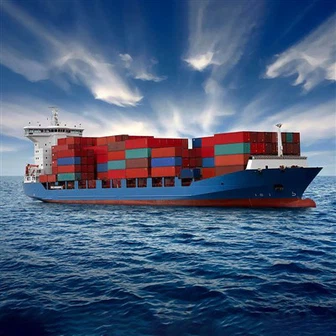
Maritime transportation is a commonly favored option for shipping goods from China to Austria, thanks to its cost-effectiveness and the versatility in handling different sizes of cargo. Here is a more in-depth look at the specific benefits of Less than Container Load (LCL) and Full Container Load (FCL) shipping:
| SHIPPING TYPE | transi times |
| LCL | 35-45days |
| FCL 20-foot | 30-40days |
| FCL 40-foot | 30-40days |
Both of these alternatives bring about substantial cost savings and operational efficiencies to meet diverse shipping requirements. Specifically, LCL shipping affords greater flexibility, while FCL shipping offers enhanced security and may even result in a potentially quicker delivery as it involves fewer stops along the way.
Choosing ocean freight forwarders and best shipping routes
Choosing a competent sea freight company is crucial to making the most of these advantages. For a smooth and cost-effective shipping experience, consider the following factors:
Industry reputation: Look for a forwarder with a proven track record.
Service provision: A full range of services including LCL, document processing and customs clearance are essential.
Customs and document handling expertise: Must ensure that shipments meet all legal requirements without delay.
Routes and partnerships: A strong network offers more choice and potentially better prices.
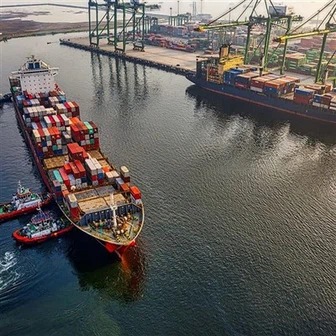
The transit time from China to Austria is usually around 30 to 40 days, depending on the specific route and the actual situation. The main routes tend to depart from ports such as Shanghai, Shenzhen and Ningbo, passing through Rotterdam or Hamburg in the heart of Europe before arriving in Austria. These routes are selected on the basis of their efficiency, cost-effectiveness and frequency of trips, which may also have an impact on overall transit times and costs.
Advantages And Considerations Of Air Freight

The use of air freight from China to Austria has a number of significant advantages, mainly reflected in the following two points: speed and reliability. Air transport can greatly reduce transit time, generally only three to five days, compared to the weeks required by sea or land transport. Therefore, for those goods that are extremely sensitive to time requirements, such as perishables, high-grade goods or key spare parts, air transport is a very good choice.
However, while enjoying these advantages, there are also some aspects to consider:
Rising costs: Air freight is usually more expensive than other modes of transport. For example, the cost may be around $4 to $8 per kilogram, which can add up to a lot for heavier goods.
Cargo compatibility: Given the high cost of air freight, it is not economically feasible for all products to choose air freight. In general, high-value, low-volume products or emergency shipments are most suitable for air transport.
The trade-off between speed and cost: Enterprises must consider the urgency of their transportation needs and the higher cost to determine whether the speed advantage brought by air transport is worth the additional expenditure.
Main ports for Chinese exports to Austria

1. Port of Shanghai: As the busiest container port in the world, the Port of Shanghai has state-of-the-art facilities to ensure that cargo is processed and turned around quickly and efficiently, which is critical to completing tasks strictly according to shipment schedules.
2. Shenzhen Port: Located in southern China, it not only has strategic international waters conditions, but also provides first-class logistics solutions, with these advantages, making it a priority choice for high-tech products and electronic products export transportation.
3. Guangzhou Port: The comprehensive service provided by the port is very comprehensive, covering all aspects from the storage of
goods to the completion of customs clearance, so it has shown excellent efficiency in handling large-scale commercial cargo.
Choosing the right port to do business in China requires a combination of factors, such as the proximity to the manufacturing site, the specific type of cargo and the desired shipping route. The unique advantages and capabilities of each port contribute greatly to the optimization of the logistics chain from China to Austria.
China's important role in global trade is strongly supported by its sound international trading system. Advanced port infrastructure plays a key role, especially in major ports such as Shanghai, Shenzhen and Guangzhou. These ports are vital to the export business to Austria, as they are equipped with a wide variety of facilities and offer a full range of services, giving a strong boost to exports to Austria, while also guaranteeing the efficiency and cost-effectiveness of the operations of international shipping companies.