How To Choose The Appropriate Overseas Shipping Method?
Table of contents
7. Key considerations for choosing a mode of transport
8. Expert advice and industry outlook
As global trade becomes increasingly close, overseas transportation has become a key link connecting commercial exchanges between countries. For many companies, how to accurately select the option that best suits their needs from a variety of transportation methods such as aviation, shipping, rail, and road is directly related to operating costs, cargo timeliness, and customer satisfaction. Recently, industry experts conducted in-depth discussions and analysis on this hot topic.
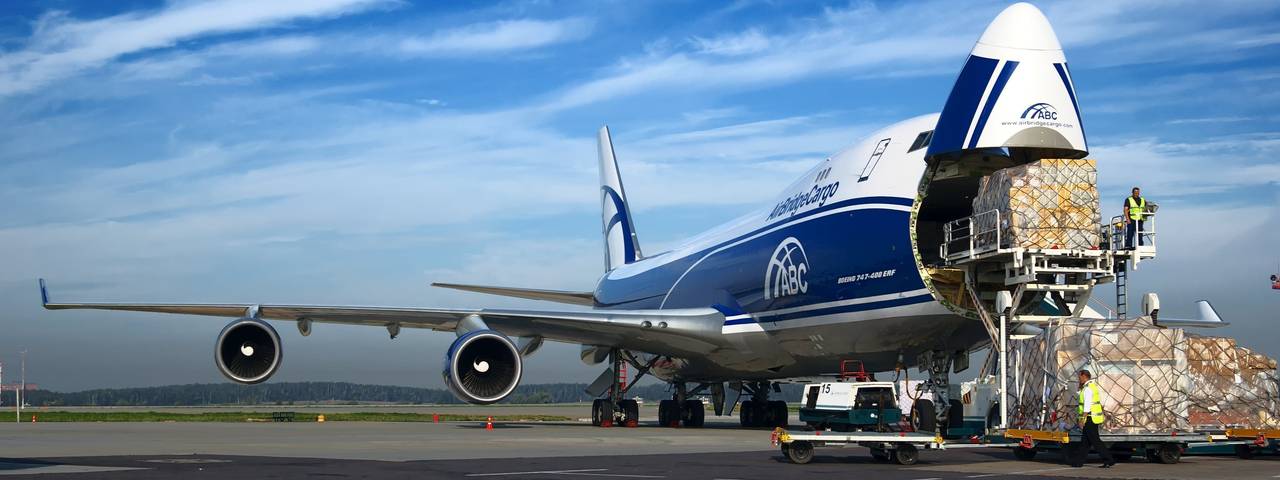
Air transport occupies a unique position in the field of overseas transportation with its unparalleled speed advantage. According to data from the International Air Transport Association (IATA), although the global air cargo volume in 2024 is affected by many factors, it will still maintain a certain growth trend. For those goods that are light in weight, small in size, high in value and extremely demanding in terms of timeliness, such as high-end electronic products, precision instruments, emergency medical supplies, etc., air transport is undoubtedly the first choice.
Take Apple as an example. In order to be able to launch new iPhones and other products simultaneously around the world and quickly seize the market, most of them are transported from the production site to all parts of the world by air transport. From Foxconn factories in China to the domestic market in the United States, air transport can shorten the transportation time to 1-3 days, which greatly meets the needs of rapid product launch on the market. However, the high cost of air transport is also a factor that companies must consider. Usually, its freight is 5-10 times that of sea transport. In addition, the cargo capacity of air transport is relatively limited, and there are strict restrictions on the size and weight of goods, which to a certain extent restricts its scope of application.
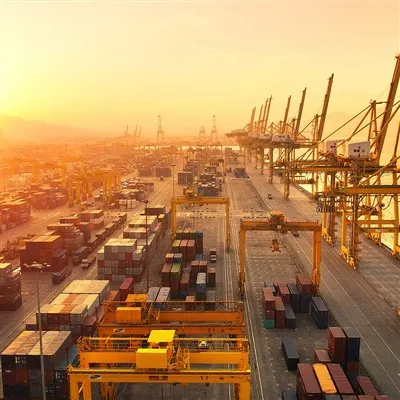
As the main mode of transportation in international logistics, sea transportation accounts for more than 2/3 of the total volume of international trade. About 90% of China's total import and export freight volume relies on sea transportation. It has a strong carrying capacity. A standard 20-foot container can carry about 28 tons of cargo, and a 40-foot container can carry up to about 60 tons. For bulk commodities such as coal, iron ore, grain, and large-scale machinery and equipment, furniture and other large-volume and heavy goods, the cost advantage of sea transportation is extremely prominent. For example, China imports a large amount of iron ore from Australia, and the annual transportation volume by sea is hundreds of millions of tons. The cargo capacity of a very large ore carrier (VLOC) can reach more than 400,000 tons. Such a large-scale transportation volume is difficult to achieve by other modes of transportation. At the same time, sea transportation routes are well connected and can reach almost any coastal port in the world. But the disadvantages of sea transportation are also obvious. The transportation speed is slow. The sea voyage from China to Europe usually takes 20-40 days, which is a challenge for some time-sensitive goods. Moreover, sea transportation is greatly affected by natural factors such as weather and marine environment, and the transportation risk is relatively high.
In recent years, the booming development of China-Europe trains has provided a new and powerful option for overseas transportation. In 2024, China-Europe trains will run more than 18,000 trains and send 1.7 million TEUs, up 20% and 22% year-on-year respectively. Railway transportation has significant advantages in the transportation of goods connecting the Eurasian continent, and the transportation time is relatively stable. It takes about 12-20 days from China to major European cities, which is faster than sea transportation, but not as expensive as air transportation. It is particularly suitable for shipments from inland areas and the destination is Europe, which can reduce the loss and time cost of goods during transshipment. For example, electronic products from Chongqing are shipped to Duisburg, Germany via the China-Europe train. The goods are directly transported from the factory to the railway station for loading, without the need for multiple transshipments like sea transportation. At the same time, railway transportation is less affected by weather and has higher safety, which is very attractive for the transportation of some precision equipment, auto parts and other goods. However, the routes of railway transportation are relatively fixed and less flexible than road transportation. In addition, in some countries and regions, the railway infrastructure may be insufficient, affecting transportation efficiency.
Road transport plays an indispensable role in the overseas transportation system, especially in short-distance cross-border transportation or as a link between other modes of transportation. Its biggest advantage is its strong flexibility, which enables "door-to-door" transportation services and can adjust transportation routes and times at any time according to customer needs. In regions with developed road networks such as Europe and North America, road transport is extremely efficient.
Take Europe as an example. From Hamburg, Germany to Amsterdam, the Netherlands, road transport takes only a few hours, which is very suitable for some urgent replenishment and small-volume cargo transportation needs. Moreover, road transport has relatively low requirements for cargo packaging and is relatively convenient for loading and unloading. However, the cargo capacity of road transport is relatively small, and the cost of long-distance transportation is high, especially when crossing borders, it may face complex border inspections and procedures, which will affect the transportation time.
In actual overseas transportation, a single mode of transportation is often difficult to meet all the needs of enterprises, and multimodal transportation came into being. Multimodal transportation organically combines different modes of transportation to give full play to their respective advantages. For example, in the "sea-rail transport" mode, the goods are first transported to the coastal ports of the destination country by sea, and then transported to the inland destination by rail. This method not only takes advantage of the low cost and large volume of sea transportation, but also relies on the stability of rail transportation and the convenience of inland transportation.
From China to some inland cities in Europe, the sea-rail transport method is adopted, and the transportation time is shortened by 5-10 days compared with simple sea transportation, and the cost is much lower than air transportation. Another example is "road-rail transport", which transports goods to railway stations by road in China, and then transports them long distances by rail. After arriving near the destination, they are delivered to customers by road, realizing a seamless one-stop transportation service. Multimodal transport can provide enterprises with more personalized and efficient transportation solutions, but in the operation process, it is necessary to coordinate the connection between different modes of transportation, which puts forward high requirements on the organizational management capabilities of logistics companies.
7. Key considerations for choosing a mode of transport
When choosing an overseas transportation method, companies need to weigh multiple factors. The first is the characteristics of the goods, including the value, weight, volume, timeliness requirements, and whether the goods are fragile. High-value and time-sensitive goods tend to be transported by air; bulk commodities and low-value goods are suitable for sea or rail transportation. The second is the transportation cost. The costs of different transportation methods vary greatly. Companies must make reasonable choices based on their own budgets and profit margins. The third is the destination. The geographical location of the destination, the status of the transportation infrastructure, and the local logistics supporting capabilities will all affect the choice of transportation method. For example, in some inland countries or regions, rail transportation may be more convenient; while in coastal areas, sea transportation has greater advantages. Finally, factors such as the reliability and safety of transportation, as well as flexibility and traceability during transportation must also be considered.
8. Expert advice and industry outlook
Industry experts point out that when choosing overseas transportation methods, companies should not be limited to traditional thinking patterns, but should make full use of modern logistics technology and data analysis tools. Through big data analysis, it is possible to accurately predict transportation needs, optimize transportation routes, and reduce transportation costs. At the same time, companies should also establish long-term and stable cooperative relationships with professional logistics service providers, and use their rich experience and professional service capabilities to develop the most suitable transportation plan for themselves.
Looking to the future, with the continued growth of global trade and the continuous advancement of technology, the overseas transportation industry will usher in more opportunities for change and development. The application of new energy in transportation equipment and the promotion of intelligent logistics systems will provide new impetus for the optimization and innovation of transportation methods. Companies need to pay close attention to industry trends and constantly adjust and optimize their own transportation strategies to adapt to the increasingly fierce market competition and changing customer needs.
| Mode of transport | Advantages | Disadvantages | Applicable goods | Example of shipping time (China - Europe) | Cost comparison (relative to ocean freight) |
| Air transport | Fast speed, strong timeliness | High cost, limited cargo capacity, strict restrictions on cargo size and weight | High-value, small-volume, time-sensitive goods, such as electronic products and emergency medical supplies | 1 - 3 days | 5 - 10 times |
| Sea transport | Strong carrying capacity, low cost, wide routes | Slow speed, greatly affected by natural factors | Bulk commodities, large machinery and equipment, furniture and other large-volume and heavy goods | 20 - 40 days | 1 (baseline) |
| Rail transport | Relatively stable transportation time, less affected by weather | Relatively fixed routes, lack of flexibility | All kinds of goods shipped from inland areas to Europe, especially precision equipment, auto parts, etc. | 12 - 20 days | About 2 - 3 times |
| Road transport | Strong flexibility, door-to-door transportation | Small cargo capacity, high long-distance costs, complicated border procedures | Short-distance cross-border transportation, small-volume goods, emergency replenishment | A few hours - a few days (within Europe) | Higher (long-haul) |
| Multimodal transport | Integrate the advantages of multiple transportation modes and provide personalized solutions | Complex operations, high requirements for logistics organization and management | Applicable to a variety of goods according to the specific combination of intermodal transport methods | Varies depending on the intermodal mode | Varies depending on intermodal mix |