Strategic Digital Push in India
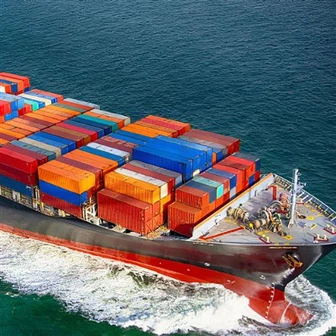
At the container terminal of Chennai Port in India, 20 unmanned electric gantry cranes are loading and unloading goods accurately at a speed of 2.5 meters per second. This is a daily scene at India's first 5G fully automated terminal. With the official implementation of the Indian government's "Digital Personal Data Protection Rules 2025", the South Asian subcontinent is undergoing an unprecedented logistics revolution: from smart warehousing in Delhi to the AI dispatch center in Bangalore, from the blockchain customs clearance system in Mumbai to the drone delivery network in Kolkata, technological innovation is reshaping the underlying logic of Indian freight.
Table of Contents
1. Policy Engine: Gati Shakti's Digital Blueprint
2. Technological Breakthrough: Dual-Wheel Drive of Blockchain and AI
3. Infrastructure: Intelligent Upgrade from Port to Inland
4. Industry Pain Points: Game between Technology Popularization and Data Security
5. Future Trends: Repositioning of Green Logistics and Global Supply Chain
Policy Engine: Gati Shakti's Digital Blueprint
"Digital Hub" for Multimodal Transport
The Gati Shakti National Plan launched by Indian Prime Minister Modi in 2023 integrates infrastructure data from 16 ministries to create a digital collaborative platform covering railways, roads, aviation, and ports. The platform monitors 22,000 kilometers of railway lines, 142,000 kilometers of highways, and 200 logistics nodes across the country in real time, reducing the approval time for cross-departmental projects by 40%. For example, the dispatching efficiency of freight trains from Delhi to Mumbai has increased by 35%, and the cost of a single trip has decreased by 12%.
"Digital empowerment" for small and medium-sized enterprises
The government's "Digital India" program has invested 149 billion rupees (about 1.8 billion US dollars) to provide free digital toolkits for small and medium-sized logistics companies. A textile company in Rajasthan connected to 500 freight forwarders across the country through the platform, and the delivery cycle was shortened from 15 days to 7 days.
"Customs clearance revolution" in cross-border logistics
The "single window" system launched by the Indian Customs Department integrates customs clearance data from 21 government departments, reducing the time for cross-border goods declaration from 8 hours to 30 minutes. In 2024, the system handled 78% of India's import and export declarations, saving companies more than 40 billion rupees in time costs.

Technological breakthrough: dual-wheel drive of blockchain and AI
Blockchain reshapes the trust system
Reliance Logistics' "Digital Freight Chain":
This largest logistics company in India has deployed blockchain technology in 35 cities to realize the full process of cargo tracking, payment settlement and insurance claims. Through this system, an auto parts company has reduced the transportation dispute rate of parts from Delhi to Chennai from 15% to 2%.
CargoX platform's "Electronic Bill of Lading":
After integration with the Indian Port Community System (PCS), the processing time of electronic bills of lading has been shortened from 5 days to 2 hours, and the value of processed goods will exceed US$12 billion in 2024.
AI-driven efficiency revolution
Etihad Cargo's "Smart Scheduling":
Amplifi, an AI system deployed in Bangalore, increases the cargo capacity of each cargo plane by 18% by analyzing historical freight data and real-time flight information. After using this system, an electronic product exporter has reduced the transportation cost of the US West Coast route by 9%.
Blue Dart's "predictive maintenance":
The drone delivery network predicts equipment failures through AI algorithms, reducing maintenance costs by 30%. In the mountainous areas of Uttarakhand, drone delivery reduces the time required to transport medicines from 72 hours to 4 hours.
IoT's "perception network"
Indian Railways has installed IoT sensors on 100,000 freight trains to monitor temperature, humidity and vibration data in real time. A cold chain logistics company has reduced the loss rate of perishable goods from 8% to 3%.
Infrastructure: Smart upgrades from ports to inland areas
"Unmanned transformation" of ports
Chennai Port's "smart terminal":
20 5G gantry cranes work in conjunction with the AI dispatching system to increase container loading and unloading efficiency by 40%. In 2024, the port's annual throughput will exceed 8 million TEUs, a record high.
"Digital Twin" of Mumbai Port:
The virtual port system simulates ship berthing, cargo loading and unloading, and yard management in real time, increasing port utilization by 25%.
"Last Mile" of Inland Logistics
"Smart Warehousing" in Bangalore:
DHL invested 250 million rupees to build a smart warehouse equipped with automatic sorting robots and AR navigation systems, which increased order processing speed by 50%.
"Drone Hub" in Delhi:
50 drone delivery stations cover a 100-kilometer radius, reducing the delivery time of fresh food from 24 hours to 3 hours.
"Digital Corridor" of Cross-Border Logistics
The **"Digital Land Bridge"** jointly built by India and Nepal uses blockchain technology to realize cross-border customs clearance data sharing, reducing the transportation time from Kathmandu to Delhi from 7 days to 36 hours.

Industry pain points: the game between technology popularization and data security
The "double challenge" of the technology gap
Insufficient hardware infrastructure:
60% of logistics companies in India still rely on manual operations. A small and medium-sized freight forwarder missed 20% of cross-border orders due to the lack of digital tools.
Talent shortage:
Only 15% of logistics practitioners have data analysis skills. A multinational company's AI project in India was delayed by 6 months due to lack of talent.
The "Sword of Damocles" of data security
The impact of the "2025 Digital Personal Data Protection Rules":
The rules require logistics companies to store customer data locally. An international logistics company invested $12 million to transform its data center.
Balance between privacy and efficiency:
Due to privacy disputes, the deployment of drone delivery systems in Kerala has lagged behind by 30%.
The "tug of war" between cost and return
High initial investment:
After a medium-sized logistics company introduced a blockchain system, its annual operating costs increased by 25%, but its customer repurchase rate only increased by 5%.
Long ROI cycle:
The average return on investment cycle of AI systems is 3-5 years, so a cold chain company postponed its technology upgrade plan.
Future trends: green logistics and repositioning of the global supply chain
The "ecological revolution" of green technology
Electrification transformation:
DHL plans to increase the proportion of electric vehicles in India to 40% by 2025, and an e-commerce logistics company has achieved full electric transportation on the Delhi-Jaipur line.
Carbon footprint tracking:
The "Green Logistics Certification" launched by the Indian Ministry of Shipping requires companies to disclose carbon emission data during transportation. A chemical company has obtained a 15% increase in EU orders.
"Indian Node" of the Global Supply Chain
Regional Trade Agreements:
Through RCEP and the India-UAE Comprehensive Economic Partnership Agreement, India is becoming a logistics hub for Southeast Asia and the Middle East. An electronic component company transferred its production capacity from China to Bangalore, reducing transportation costs by 18%.
Technical standard output: The technical standards of the "Digital Freight Corridor" led by India have been adopted by Nepal and Bangladesh, and an international logistics company has used this to expand the South Asian market.
The "game battlefield" of digital sovereignty
The rise of local technology: The AI dispatching system of Indian startup LogiNext has defeated American competitors in the Southeast Asian market, with a market share of 35%.
International cooperation and competition: The blockchain cross-border payment system developed by India and IBM competes with SWIFT, and a multinational company has reduced remittance costs by 20%.
Summary
India's strategic digital advancement is essentially a "technological war" that reshapes the global supply chain. From the automated terminal of Chennai Port to drone delivery in the foothills of the Himalayas, from the AI dispatching center in Delhi to the smart warehouse in Bangalore, technological innovation is rewriting the country's logistics genes. Despite data security, talent shortages and cost pressures, India still has an average annual growth rate of 22% in logistics technology investment, and will increase freight efficiency by 50% in five years.
For global companies, India's digitalization process is both an opportunity and a challenge: they can share market dividends through technological cooperation, but they also need to adapt to new rules such as data localization and green compliance. As the CEO of an international logistics company said: "India is transforming from a 'world factory' to a 'digital hub'. Whoever can grasp the pulse of this revolution will be able to occupy the commanding heights in the future global supply chain."