


Dangerous Goods Sea Freight
Sea freight dangerous goods refer to substances that, during transportation, pose a risk of harm, damage, or pollution to people, property, or the environment. These substances include chemicals, gases, liquids, and solids. Hazardous goods for sea transport must be classified, packaged, and labeled according to international regulations to ensure safe transit.
Product Introduction
Products Description
Strict regulations and standards govern the transportation of sea freight dangerous goods to ensure their safe transit. The International Maritime Dangerous Goods (IMDG) Code serves as the primary standard for the maritime transport of dangerous goods, outlining requirements for classification, packaging, labeling, and handling. Under these regulations, dangerous goods are categorized into different classes, such as explosives, flammable liquids, corrosive substances, toxic substances, and others, each with specific packaging and labeling requirements.
To ensure the safety of sea freight dangerous goods, a range of preventive measures must be taken, including:
Proper packaging and labeling: Dangerous goods must be packaged in suitable containers and labeled with the appropriate markings and warning signs to identify their hazards and emergency response procedures.
Compliance documentation and permits: Shippers must provide compliant documentation, such as dangerous goods declarations, safety data sheets, etc., and ensure they have obtained necessary permits and approvals for transporting dangerous goods.
Professional training and qualifications: All personnel involved in handling sea freight dangerous goods must undergo specialized training to understand the characteristics of hazardous materials, handling procedures, and emergency protocols to ensure they can safely handle and transport these substances.
Specialized equipment and facilities: Ports and vessels must be equipped with appropriate equipment and facilities, such as unloading equipment, firefighting equipment, leak containment equipment, etc., to address potential accidents or spills.
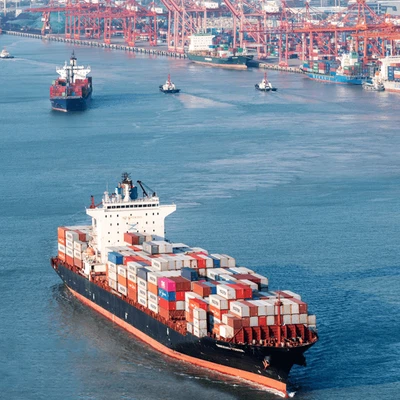
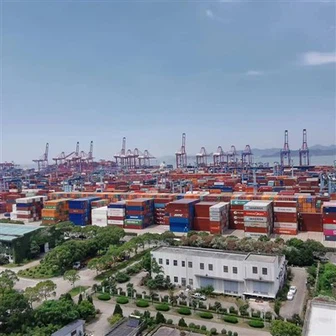
Freight display map

FAQ
Q1: What are the main considerations when shipping dangerous goods via sea freight?
A1: When shipping dangerous goods via sea freight, it's crucial to consider proper classification, packaging, and labeling according to international regulations such as the IMDG Code. Additionally, ensuring compliance documentation, obtaining necessary permits, and providing adequate training to personnel involved in handling these goods are essential.
Q2: How are dangerous goods classified for sea freight shipment?
A2: Dangerous goods for sea freight shipment are classified based on their properties and potential hazards. The classification follows international standards outlined in the IMDG Code, which categorizes hazardous materials into different classes, including explosives, flammable liquids, corrosive substances, toxic materials, etc.
Q3: What safety measures should be in place to mitigate risks associated with transporting dangerous goods by sea?
A3: Safety measures for transporting dangerous goods by sea include proper packaging and labeling, compliance with regulatory requirements, ensuring trained personnel, providing emergency response plans, and equipping vessels and ports with appropriate safety equipment and facilities to handle potential incidents or spills effectively.
Hot Tags: dangerous goods sea freight, China dangerous goods sea freight, International Sea Freight Service, sea freight service, sea transport service, sea transport service, Air And Ocean Freight Forwarding, sea freight shipping service
You Might Also Like


Send Inquiry
