


Sea Freight Delivery
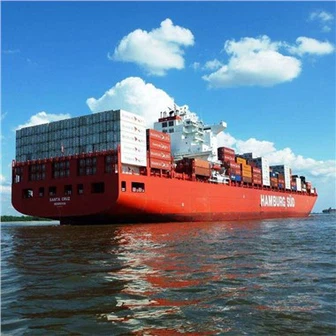
Sea freight delivery, also known as ocean freight meaning in shipping or maritime shipping, is the transportation of goods across oceans and seas.
Product Introduction
Why Choose Us
Experienced in the Industry
The company has many years of experience in the supply chain field, and is able to provide customers with professional and efficient supply chain solutions. We have in-depth understanding and control of all aspects of supply chain management, and can ensure the smooth operation of the supply chain.
High Service Quality
The company focuses on customer service and is committed to providing customers with personalized service solutions. The company has a professional customer service team, able to respond to customer needs and problems at any time, to provide timely and effective solutions.
Strong Technical Strength
The company is constantly innovating in the application of technology and introducing advanced supply chain management software and systems. Through technical means, we improve the transparency and efficiency of the supply chain, reduce operating costs and enhance customer satisfaction.
Wide Range of Partners
The company has established long-term and stable cooperative relationships with many high-quality suppliers and partners. This extensive partner network can provide customers with more diversified choices of products and services, while ensuring the reliability and stability of the supply chain.
Sea freight delivery, also known as ocean freight meaning in shipping or maritime shipping, is the transportation of goods across oceans and seas. It's a popular and cost-effective method for shipping large quantities of goods over long distances. Sea freight shipment is particularly suitable for transporting bulky or heavy goods that are not time-sensitive, such as raw materials, agricultural products, and manufactured goods.


Higher shipping capacity
Shipping a bulky shipment of goods by sea is the best way to ensure that they get where you want them to be. That's because other shipping options only work for lighter products. They can't accommodate bulkier packages. It means there's more cost involved with these types of shipments than if we used our efficient freight forwarding service!
Cheaper costs
With ocean freight costing just US$0.50 per kg, it's a much cheaper option when compared to other options. Air shipping costs can range anywhere from US$4-$6 per kilogram. Whereas express air transportation charges may be higher at 60-80 bucks for every 10lbs you need to deliver. This makes ocean freight a wiser choice.
Fewer restrictions
Shipping by air freight can be a challenge. For instance, you cannot ship flammable products like perfumes or biochemical medicines. It's subjected to restrictions (who would want to mount up more, right). These are related to the goods being shipped and their weight classifications which depend largely upon where they're going etc. Shipping via sea freight, comparatively, is the easier, less restrictive way to transport goods!
Lower carbon footprint
Sea freight has fewer emissions than air freight. Plus, the International Maritime Organization is now out with new regulations that will reduce ocean freight emissions even more!
Sea freight charges
We know you're worried about the costs. So we thought of giving you a real-time check of how the costs are calculated. We'll help you to understand what you need to have in place before you sign up for sea freight! Here's a list to help you see the inclusive charges in sea freight:
• Customs security surcharges (AMS, ISF)
• Container Freight Station (These charges apply solely for LCL. They're consolidation charges!)
• Terminal Handling Charges (charges by the port authority)
• Customs brokerage
• Pickup and delivery
• Insurance
• Accessorial charges (fuel surcharges, handling hazardous materials, storage, etc)
• Routing charges (e.g. Rotterdam to Houston etc.)
• Now that you've got more insight on sea freight, its advantages, how it works, and what the charges are, it's time to climb the next ladder. Before you ask us "but which container to use exactly?", we'll give you an array of options to pick from.
What Are the Sea Freight Delivery Types of Ocean Freight Distribution Cargo?
Bulk cargo
Commodities that are shipping in large quantities, such as grains, ores, and coals. Bulk cargo is typically transported in specialized vessels, such as bulk carriers or tankers.
Breakbulk cargo
Manufactured goods that are shipped in individual pieces or packages. Breakbulk cargo is often transported in general cargo ships, which can accommodate a variety of cargo types.
Containerized cargo
Goods that are packed into standardized containers for efficient transportation. Containerized cargo is the most common type of sea freight, accounting for a significant portion of global trade. Containers are loaded onto container ships, which are designed to carry large numbers of containers.
Project cargo
Large, specialized equi[ment or machinery that requires special handling and transportation. Project cargo often requires specialized vessels or equipment to ensure safe and efficient transportation.
Reefer cargo
Perishable goods that require temperature-controlled transportation. Reefer cargo is transported in refrigerated containers or vessels to maintain the quality of the goods.
The transit time for sea freight can vary significantly depending on the distance between the ports of departure and destination, the shipping route, and the type of ship used.
However, as a general guideline, sea freight typically takes several weeks or even months for long-distance shipments.
For example, a shipment from China to the United States could take anywhere from 3 to 6 weeks, while a shipment from Europe to Australia could take up to 8 weeks or more.
It's necessary to note that these are average transit times, and actual delivery times may vary depending on different factors such as port congestion, weather conditions, and customs clearance procedures.
Additionally, the choice of shipping route can also impact transit times. Some routes may be shorter and faster than others, while others may involve transiting through multiple ports, which can increase the delivery time.

Booking
The shipper books space on a ship with a shipping company. This involves providing information about the shipment, such as the type, weight, dimensions, and destination. The shipping company will then confirm the booking and provide the shipper with a bill of lading.
Documentation
The shipper prepares the necessary documentation for the shipment, including the bill of lading, commercial invoice, packing list, and customs declaration. These documents are essential for customs clearance and tracking the shipment.
Loading
The goods are loaded onto the ship at the port of departure. This process involves careful planning and coordination to ensure that the goods are loaded safely and efficiently.
Transportation
The ship transports the goods across the ocean to the destination port. The journey can take several weeks or even months, depending on the distance and the shipping route.
Unloading
Once arrived at the destination port, the goods are unloaded from the ship.
This process involves careful handling to prevent damage to the goods.
Customs clearance
The goods undergo customs clearance procedures before being released to the consignee, involving presenting the necessary documentation to customs officials and paying any applicable duties or taxes.
Delivery
Once the goods have cleared customs, they are delivered to the co-signed.
The delivery may be handled by the shipping company or by a local delivery service.
Modes of Transport of Goods by Sea
FCL or Full container load, which you purchase one or more full containers to send on a ship.
Dry bulk shipping, used for some specific items, which are deposited into the hold of the ship instead of travelling in a container.
LCL or Less than container load, where your products share a container as you may not have a full container's worth. Once they reach their destination, the container's contents are divided once more.
RORO or Roll on roll off, where your products do not leave the vehicle they are in to go onto the cargo ship. The vehicle simply drives onto the ship, and then drives off the other end.
There are two types of shipment in Sea Freight – LCL & FCL. The shipping company advises you on whether your shipment needs an LCL or FCL shipment.
LCL (Less Than Container Load) shipments are best suited for goods hat are too small to fill a whole container. So the goods are loaded and transported in a shared container with other people's shipments.
FCL (Full Container Load), on the other hand, is suitable for goods that are huge enough to be transported in one whole container. The goods fill the entire container. If you opt for FCL, you get a dedicated container to transport your bulky goods.
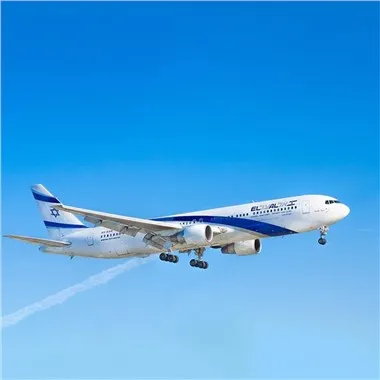
Is it Better to Ship by Sea or Air?
The choice between sea freight and air freight depends on a variety of factors, including the nature of the goods being shipped, the urgency of the shipment, and the cost sensitivity of the business.
Sea freight is generally a better option for large, non-perishable shipments that are not time-sensitive. Air freight is a better option for smaller, time-sensitive shipments or high-value goods.
|
Actor |
Sea Freight |
Air Freight |
|
Cost |
Generally lower |
Generally higher |
|
Transit Time |
Longer |
Shorter |
|
Suitability |
Large, non-perishable shipments |
Smaller, time-sensitive shipments |
|
Environmental impact |
Lower carbon footprint |
Higher carbon footprint |
|
Flexibility |
Less flexible |
More flexible |
Types of Standard Containers Used in Sea Freight Delivery

20FT DC
The 20ft DC container is a popular shipping option for dry cargo. It's standardized, made from steel or aluminum and water-resistant so it can protect your contents during transport!
40FT DC
The 40ft DC container is the go-to if you need a safe way to transport your pallets. These standardized containers can take nearly 20 standard European Pallets (in one tier). People are even trading specific cargo such as clothes in these boxes.
40FT HC
The world of shipping has seen a lot of changes since the introduction of 40ft high-cube containers (HC). These cargo boxes were created to replace older models that could only hold around 10% more material due to their larger size and weight limitations. The newer design is much simpler. It's making things easier for loading or unloading. It just depends on where you're located within your port facility – making this type perfect if there's limited space nearby. Nowadays people prefer using these lighter-weight alternatives because they're less cumbersome while still allowing us all necessary transportation.
Flat rack
These larger shipping cubes can accommodate heavy loads and bulky cargo, as well as load up to 50 thousand kilograms on each trip. They're more expensive than a 20′ container though so be sure of your needs and preferences beforehand.
Open top
The durability and design of the container make it perfect for moving heavy cargo. The open top allows you to transport machinery or other heavy material. The cargo that can't be stowed in a regular container or be put sideways is usually put in open-top containers.
Our Factory
Heyuan Supply Chain (Jiaxing) Co., Ltd. is a freight forwarding enterprise registered with the State Administration for Industry and Commerce and approved by the Ministry of Commerce. It has the first level agency qualification for international freight transport, and is committed to providing international import and export transport services for customers and providing all-round high-quality services for customers. With its high-level comprehensive service capability and comprehensive regional service network, the Company has won extensive support and trust from customers. At present, the company has established long-term and stable cooperative relationships with many well-known shipping companies at home and abroad.
Our company is mainly engaged in shipping, air transportation, bulk carrier, warehousing, logistics and distribution of international and domestic goods, including cargo collection, charter, space booking, customs declaration and inspection, assembly, unpacking, transit, cargo insurance, inland transportation and consulting services. It has such advantageous services as basic port/partial port LCL import and export booking, and various special cases on international routes, which fully ensures the cost saving control of import and export logistics links and the high-quality guarantee of the whole process tracking service.
All employees of Heyuan Supply Chain (Jiaxing) Co., Ltd. have rich experience and excellent services. Our company has strong competitiveness in bulk groceries and container stowage with high-quality services and low freight rates. Heyuan Supply Chain (Jiaxing) Co., Ltd. is willing to become the backup force for the majority of trade customers, and is willing to escort the products of trade customers!

Cooperating Partner


FAQ
Hot Tags: sea freight delivery, China sea freight delivery, sea freight service, sea freight shipping service, aircraft cargo, airline shipping company, Ocean Freight Forwarding Company, sea transport service
You Might Also Like


Send Inquiry
